
A tattoo may no longer reflect a client’s preferences, lifestyle, or circumstances. Laser tattoo removal offers a nonsurgical way to fade unwanted ink by breaking pigment into smaller particles that the body can gradually clear. Treatment may be used for substantial fading, possible removal, or lightening before a cover-up tattoo.
Seema’s Botox and Aesthetics provides individualized laser treatments under the leadership of Seema Francis, RN, BSN, AAPN. With more than a decade of nursing experience and a background in infection control, healthcare technology, and integrative medical aesthetics, Seema guides the team’s careful approach. Every tattoo is assessed separately because its colors, age, depth, location, and application method can affect how it responds.
What Is Laser Tattoo Removal?
Laser tattoo removal uses short pulses of concentrated light to target pigment within the skin. The ink absorbs the energy and breaks into smaller fragments, which are gradually processed by the body over the weeks following treatment.
The procedure is designed to target the tattoo while limiting injury to the surrounding skin. However, results vary because tattoo inks are not standardized. Professional tattoos often contain dense pigment placed at a consistent depth, while amateur tattoos may contain less ink but have uneven placement.
Some tattoos fade considerably, while others may leave behind a faint outline or areas of residual color. Complete removal cannot be guaranteed.
What Affects Tattoo Removal Results?
Several details influence how quickly and completely a tattoo may fade:
-
Tattoo size and location
-
Ink colors and pigment density
-
Age of the tattoo
-
Professional or amateur application
-
Depth and layering of the ink
-
Skin tone and sensitivity
-
Previous removal treatments
-
Individual healing response
Older tattoos may respond more quickly because some pigment has already faded naturally. Tattoos located in areas with stronger circulation may also clear more efficiently than those on the hands, feet, or lower legs.
Do All Ink Colors Respond The Same Way?
Black and other dark inks often respond more predictably because they absorb a broad range of laser energy. Brighter shades, including green, blue, yellow, and certain reds, may be more resistant and require different settings or additional sessions.
White, flesh-colored, and cosmetic tattoo pigments may react unpredictably. Some contain minerals that can darken when exposed to laser energy. A test spot may be recommended before treating a larger area when the ink composition is uncertain.
The treatment plan may be adjusted over time as the team observes how each color responds.
What Happens During Treatment?
Before the procedure, the provider reviews the tattoo’s history, the client’s medical background, medications, skin type, and previous laser experiences. Protective eyewear is worn throughout the session.
The handpiece delivers rapid pulses of energy across the tattoo. Clients frequently compare the sensation to quick snaps of heat against the skin. Cooling, topical numbing, or other comfort measures may be used when appropriate.
Temporary whitening may appear immediately as the laser interacts with the pigment. Redness, swelling, tenderness, or pinpoint bleeding may also occur. Small tattoos can often be treated within a brief appointment, while larger or multicolored designs require more time.
What Is Recovery Like?
The area may feel warm or tender after treatment. Swelling, redness, blistering, itching, crusting, or bruising can occur while the skin heals.
Clients should keep the area clean and follow all aftercare instructions. Blisters, scabs, or peeling skin should not be picked, as doing so can increase the risk of infection, scarring, or changes in skin pigmentation. Sun exposure should also be limited, and the area should be protected as directed.
Sessions are spaced several weeks apart to allow the skin to recover and give the body time to clear fragmented ink.
Is Tattoo Removal Right For You?
Laser tattoo removal may be appropriate for adults who want to fade unwanted ink and understand that treatment requires patience. Candidates should have realistic expectations and be able to follow recovery instructions.
Treatment may need to be delayed for active infections, open wounds, irritated skin, or recent tanning. Pregnancy, certain medications, a history of abnormal scarring, and medical conditions that affect healing should also be discussed during consultation.
Why Choose Seema’s Botox And Aesthetics For Tattoo Removal?
Tattoo removal requires careful energy selection and ongoing adjustments based on how the pigment and skin respond. Seema Francis leads the practice with extensive nursing experience and specialized education in medical aesthetics. Her professional background includes direct patient care, infection control, clinical documentation, and healthcare technology.
The team reviews the tattoo’s colors, density, location, and prior treatment history before recommending a plan. Progress is evaluated between sessions so settings and scheduling can be modified when needed. Clients receive straightforward guidance about likely fading, expected recovery, and the possibility that resistant colors may remain. This personalized approach prioritizes skin health while working toward meaningful ink reduction.
Fade Unwanted Ink In Springfield, PA
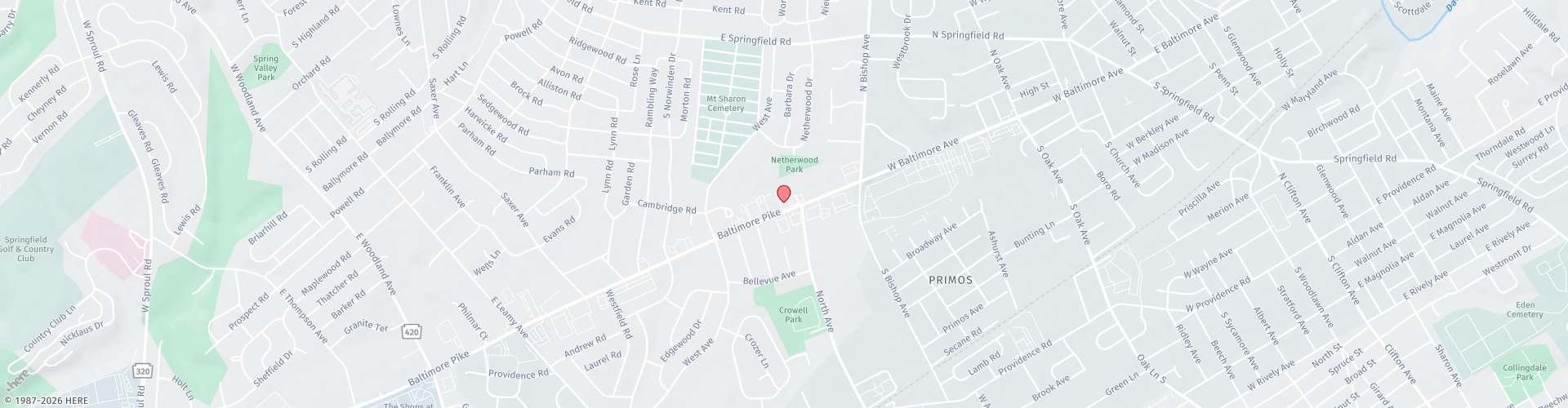
Laser tattoo removal can reduce the appearance of unwanted ink or prepare an existing design for a future cover-up. Seema’s Botox and Aesthetics develops personalized plans based on tattoo characteristics and skin needs in Springfield, PA. Call (610) 552-0012 to schedule a consultation and discuss the possible results for your tattoo.