

Pigmented lesions are areas of skin that appear darker than the surrounding complexion because they contain additional melanin. Sun exposure, aging, genetics, and previous inflammation can all contribute to visible brown spots or uneven patches. Solaria offers a light-based treatment option for selected benign pigmented lesions, helping break apart unwanted pigment so the skin can gradually appear clearer and more even.
Seema’s Botox and Aesthetics provides personalized pigmentation care under the leadership of Seema Francis, RN, BSN, AAPN. Darwin pigmented lesion is a brown, tan, or darker area caused by a concentration of melanin within the skin. Some lesions are present at birth, while others develop gradually due to ultraviolet exposure, hormonal changes, aging, or irritation.
What Are Pigmented Lesions?
A pigmented lesion is a brown, tan, or darker area caused by a concentration of melanin within the skin. Some lesions are present at birth, while others develop gradually due to ultraviolet exposure, hormonal changes, aging, or irritation.
Common cosmetic pigmentation concerns may include:
-
Sun spots
-
Age spots
-
Freckles
-
Uneven patches of discoloration
-
Selected areas of post-inflammatory pigmentation
-
Other benign brown lesions
Pigmented lesions can sometimes resemble one another even when they have different causes. A new, changing, irregular, bleeding, or otherwise concerning lesion should be evaluated by a qualified medical professional before cosmetic treatment. Solaria is intended for appropriate benign pigmentation, not for diagnosing or treating skin cancer.
How Does Solaria Treat Pigmentation?
Solaria is an InMode aesthetic platform that offers customizable technology for skin concerns, including selected pigmentation issues. During treatment, controlled light energy is directed toward melanin within the targeted lesion.
The pigment absorbs energy and heats up, while the surrounding tissue receives less exposure. This process breaks the unwanted pigment into smaller particles that the body can gradually clear. The treated area may initially become darker before it flakes or fades.
Settings are selected based on the client’s skin tone, the lesion’s appearance, location, and depth of pigmentation. This customization is important because overly aggressive treatment can increase irritation or unwanted changes in skin color.
What Areas Can Be Treated?
Solaria may be used on areas where benign sun-related or age-related pigmentation commonly appears, such as the:
-
Face
-
Neck
-
Chest
-
Shoulders
-
Arms
-
Hands
Treatment is usually most effective when a lesion has a clearly defined pigment target. Diffuse discoloration, melasma, or pigmentation caused by an active skin condition may require a different approach.
The team may also recommend skincare, chemical peels, microneedling, or Lumecca IPL when those services better match the type and extent of discoloration.
What Happens During Treatment?
An appointment begins with a review of the client’s health history, medications, tanning habits, skincare products, and previous pigment treatments. The lesion and surrounding skin are examined to determine whether cosmetic treatment appears appropriate.
Protective eyewear is worn during the procedure. The Solaria handpiece delivers controlled pulses to the selected areas, which may feel warm or like a quick snap against the skin. Treatment time varies depending on the number and size of the lesions.
Temporary redness, warmth, swelling, or tenderness may occur. Pigmented spots often darken following treatment, which can be an expected step before they begin to fade.
What Is Recovery Like?
Most clients can resume their usual routine shortly after treatment, although the skin may remain sensitive for several days. Darkened spots may develop a dry or crusted appearance before naturally shedding.
Clients should not scrub, scratch, or pick at treated areas. Removing healing skin prematurely may increase the risk of scarring or post-inflammatory pigmentation.
Gentle skincare and broad-spectrum sunscreen are important throughout recovery. Heat, tanning, prolonged sun exposure, and irritating products may need to be avoided temporarily according to the team’s instructions.
Is Solaria Right For Your Pigmented Lesions?
Solaria may be suitable for adults with benign brown spots who want a more even-looking complexion. Candidates should be willing to avoid tanning and follow detailed sun-protection and aftercare recommendations.
Treatment may need to be delayed for active infections, irritated skin, open wounds, recent tanning, or photosensitizing medications. Certain skin tones may have a greater risk of temporary lightening or darkening after treatment. Melasma and unexplained lesions also require particularly careful evaluation before any energy-based procedure.
Why Choose Seema’s Botox And Aesthetics For Pigmented Lesions?
Pigmentation treatment begins with identifying whether a visible spot is suitable for cosmetic care. Seema Francis leads the practice with experience in nursing management, healthcare technology, infection control, and direct patient care. Her board certification through the American Academy of Procedural Medicine Aesthetics further supports a clinically informed approach to skin rejuvenation.
The team considers the lesion’s color, borders, location, treatment history, and surrounding complexion before recommending Solaria. Settings are selected individually instead of applying the same level of energy to every area. When a lesion appears unusual, or another treatment may be more appropriate, clients receive guidance before proceeding. This measured process supports meaningful pigment reduction while prioritizing skin health and realistic expectations.
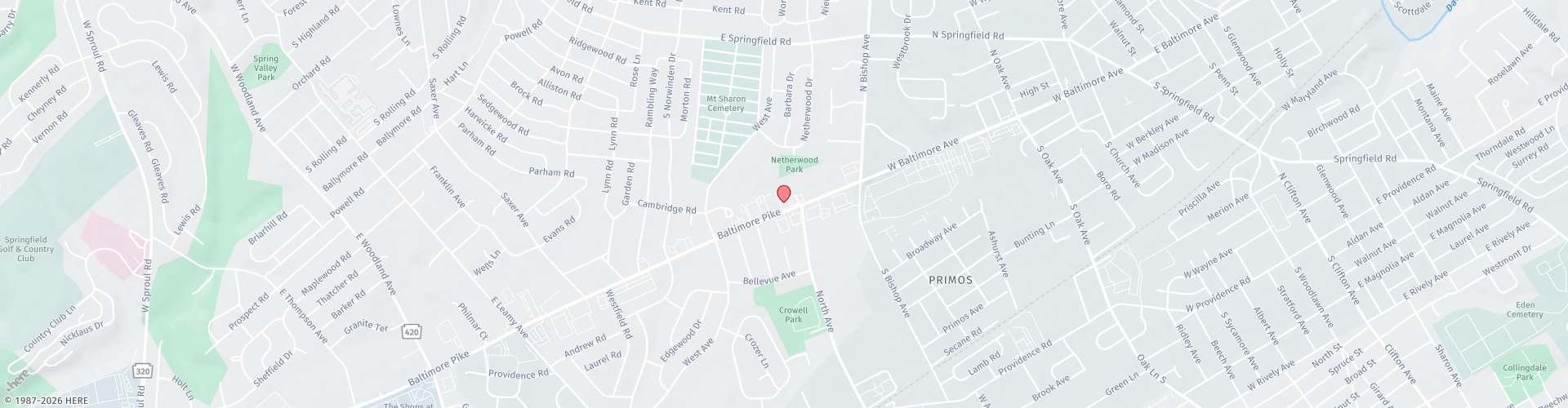
Improve Uneven Pigmentation In Springfield, PA
Solaria can help reduce selected benign pigmented lesions and restore a clearer, more balanced-looking complexion. Seema’s Botox and Aesthetics creates individualized treatment plans for clients in Springfield, PA, dealing with sun spots, age spots, and related discoloration. Call (610) 552-0012 to schedule a consultation and determine whether Solaria is appropriate for your pigmentation concerns.