
Melasma causes irregular brown or gray-brown patches that most commonly develop across the cheeks, forehead, upper lip, nose, or chin. Unlike an isolated sun spot, melasma is influenced by several factors and can return after it improves. Solaria may be incorporated into a carefully planned treatment program to help reduce visible pigment and create a more even-looking complexion in appropriately selected clients.
Seema’s Botox and Aesthetics approaches to melasma care are led by Seema Francis, RN, BSN, AAPN. With more than a decade of nursing experience and advanced training in integrative medical aesthetics, Seema guides the team in evaluating skin tone, pigmentation patterns, sensitivity, and possible triggers. Because aggressive treatment can sometimes worsen melasma, Solaria settings and supporting skincare are selected conservatively.
What Is Melasma?
Melasma is a chronic pigmentation condition caused by increased melanin production. It frequently appears in symmetrical patches across the face and may become darker at certain times of the year.
Several factors can contribute to melasma, including:
-
Sun and ultraviolet exposure
-
Visible light
-
Heat
-
Hormonal changes
-
Pregnancy
-
Hormonal medications
-
Genetics
-
Skin irritation or inflammation
Melasma can affect different depths of the skin. Surface-level pigment may respond more readily, while deeper pigment can be more persistent. A professional assessment is important because melasma may resemble sun damage, post-inflammatory hyperpigmentation, or another skin condition.
How Can Solaria Help With Melasma?
Solaria is an InMode platform that delivers customized energy-based treatments for specific skin concerns. When used for melasma, treatment is intended to target excess pigment and encourage a clearer, more balanced appearance.
Melasma must be approached differently from ordinary age spots. Excessive heat or inflammation may stimulate additional pigment production, particularly in clients prone to post-inflammatory hyperpigmentation. For this reason, the team may use conservative parameters, test a small area, or recommend skin preparation before proceeding.
Laser and light treatments are generally considered one part of a broader melasma plan rather than a stand-alone cure. Dermatologists may use them alongside topical medication and consistent sun protection when appropriate.
What Happens During Treatment?
Before treatment, the team reviews the client’s health history, medications, hormonal influences, recent sun exposure, skincare routine, and previous pigment procedures. The distribution and color of the melasma are evaluated to determine whether Solaria may be suitable.
Protective eyewear is used during the procedure. The handpiece delivers controlled energy across selected areas, and clients may feel warmth, tingling, or a brief snapping sensation.
Temporary redness, sensitivity, swelling, or darkening of the pigment may occur. Treatment intensity and appointment length depend on the area size, skin tone, and depth of discoloration.
What Is Recovery Like?
Recovery varies according to the technology and settings used. Some clients experience only mild redness, while others may notice dryness, flaking, or temporarily darker patches as the skin responds.
Clients should avoid picking, scrubbing, or applying harsh products to treated skin. Gentle cleansing and moisturizing may be recommended while sensitivity settles.
Laser and light procedures can cause temporary or lasting changes in skin color, including post-inflammatory hyperpigmentation, making appropriate settings and careful aftercare particularly important.
Why Is Sun Protection Essential?
Sunlight can darken existing melasma and contribute to the development of new patches. Even brief, repeated exposure may interfere with progress, so daily protection is central to treatment.
Clients may be advised to use:
-
Broad-spectrum sunscreen with SPF 30 or higher
-
A tinted mineral sunscreen containing iron oxides
-
Wide-brimmed hats
-
Shade during peak daylight hours
-
Reapplication of sunscreen throughout the day
Visible light may also aggravate melasma, which is why tinted sunscreen can be helpful. Consistent protection supports fading and reduces the likelihood of rapid recurrence.
Is Solaria Right For Your Melasma?
Solaria may be considered for adults with confirmed melasma who understand that results are gradual and recurrence is possible. Suitable candidates are willing to follow a consistent skincare and sun-protection routine.
Treatment may need to be delayed after tanning, excessive sun exposure, or active skin irritation. Certain medications, pregnancy, breastfeeding, medical conditions, and previous reactions to lasers should also be discussed. Clients with unexplained or changing pigmentation may need an evaluation by a dermatologist before cosmetic treatment.
Why Choose Seema’s Botox And Aesthetics For Melasma Treatment?
Melasma demands more restraint than many other pigmentation concerns. Seema Francis leads the practice with a background in nursing management, patient care, infection control, and healthcare technology, and holds board certification from the American Academy of Procedural Medicine Aesthetics.
The team evaluates possible triggers, pigmentation depth, complexion, sensitivity, and previous treatment responses before recommending Solaria. Care may begin with skin preparation or a test area rather than immediate full-face treatment. Clients also receive realistic guidance about recurrence and the importance of long-term pigment control. This measured approach focuses on gradual improvement while reducing avoidable irritation that could make discoloration more noticeable.
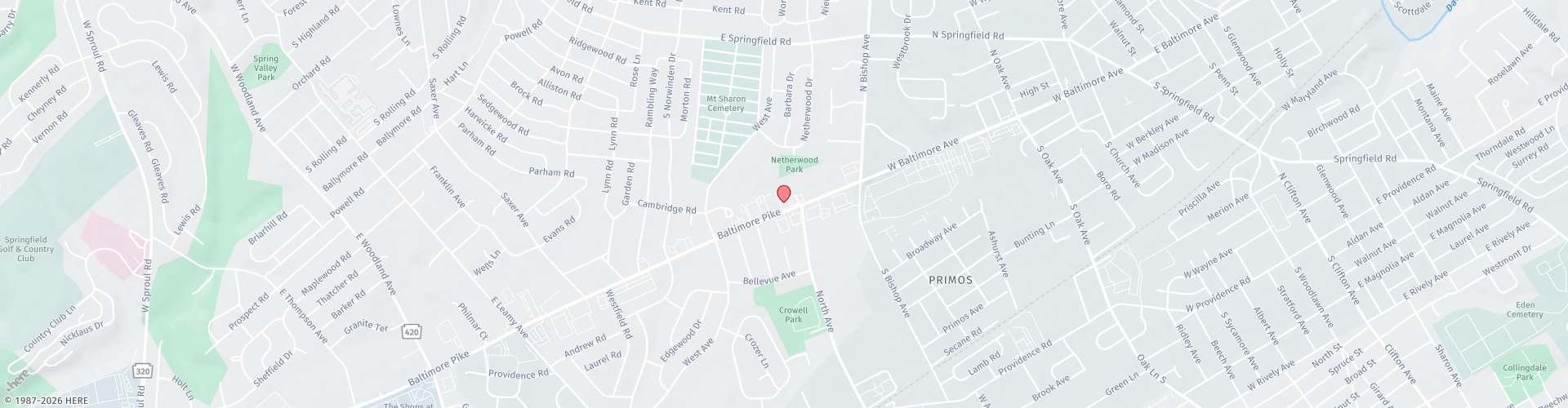
Manage Melasma With Personalized Care In Springfield, PA
Melasma can be stubborn, but a thoughtful combination of Solaria treatment, supportive skincare, and daily sun protection may help create a clearer complexion. Seema’s Botox and Aesthetics develops individualized pigmentation plans for clients in Springfield, PA. Call (610) 552-0012to schedule a consultation and determine whether Solaria is appropriate for your melasma.