
Visible facial veins, red spots, and persistent flushing can make the skin look uneven even when the texture is otherwise smooth. These concerns may be caused by small blood vessels that have become enlarged or more noticeable near the skin’s surface. Solaria offers a noninvasive light-based approach to treating selected benign vascular lesions and restoring a clearer, more balanced-looking complexion.
At Seema’s Botox and Aesthetics, vascular treatments are planned under the leadership of Seema Francis, RN, BSN, AAPN. Her more than ten years of nursing experience and professional background in patient care, infection control, and integrative medical aesthetics guide the team’s careful approach. Before Solaria is recommended, the area is assessed to identify the type of redness, rule out concerns that require medical evaluation, and select appropriate treatment settings.
What Are Vascular Lesions?
Vascular lesions are visible marks caused by blood vessels within or just beneath the skin. They may appear red, purple, pink, or blue and can range from tiny individual vessels to broader patches of discoloration.
Benign vascular concerns may include:
-
Facial telangiectasias, commonly called broken capillaries
-
Spider veins
-
Cherry angiomas
-
Diffuse facial redness
-
Rosacea-related redness
-
Small leg veins
-
Red or purple vascular spots
-
Poikiloderma of Civatte on the neck or chest
Not every red mark is a vascular lesion. Irritation, acne, dermatitis, infection, and other skin conditions can produce a similar appearance. A proper assessment helps determine whether light-based treatment is appropriate.
How Does Solaria Treat Vascular Lesions?
Solaria is part of InMode’s range of aesthetic technologies and can be configured to treat selected vascular and pigmented concerns. InMode light-based technology is cleared for the treatment of benign cutaneous vascular lesions, including facial and leg telangiectasias, rosacea-related redness, angiomas, spider angiomas, and superficial veins.
During treatment, controlled pulses of light are directed toward hemoglobin, the red pigment found in blood. The targeted vessel absorbs this light and converts it into heat. This damages the unwanted vessel while limiting exposure to nearby skin.
The treated vessel may initially darken or appear more noticeable. Over time, the body gradually processes it, allowing the redness to fade. Settings are adjusted based on the vessel’s size, color, depth, and location, as well as the client’s complexion.
What Areas Can Be Treated?
Solaria may be used on several areas where superficial vessels and persistent redness commonly develop, including the:
-
Cheeks and nose
-
Chin
-
Neck
-
Upper chest
-
Arms
-
Thighs and lower legs
Facial vessels often respond differently from leg veins because they may be deeper or exposed to greater pressure. Larger leg veins may require evaluation by a vein specialist rather than cosmetic light treatment.
The team may also recommend another technology, such as Lumecca IPL, when diffuse redness or a combination of pigment and vascular concerns is present.
What Happens During A Solaria Treatment?
The appointment begins with a review of the client’s medical history, medications, previous laser procedures, tanning habits, and skin sensitivity. The team also examines the lesion to confirm that it appears suitable for cosmetic treatment.
Protective eyewear is worn throughout the session. The Solaria handpiece is placed against the skin and delivers controlled pulses over the selected vessels. Clients may feel warmth or a quick snapping sensation with each pulse.
Appointment length depends on the number and size of the lesions. Small facial vessels may require only a brief session, while broader treatment areas take longer.
What Is Recovery Like?
Temporary redness, warmth, swelling, or tenderness may develop after treatment. A vessel may darken, look bruised, or temporarily become more visible before fading. These effects usually improve as the skin recovers.
Clients should avoid scratching or rubbing the treated area. Hot showers, strenuous exercise, saunas, and excessive heat may need to be limited briefly because they can increase redness.
Sun protection is also important before and after treatment. Recent tanning can raise the risk of burns and unwanted pigmentation changes because the light may be absorbed by melanin in the surrounding skin.
Why Choose Seema’s Botox And Aesthetics For Vascular Lesions?
Vascular treatment depends on accurately identifying the target and selecting settings that account for vessel depth, skin tone, and surrounding tissue. Seema Francis leads the practice with experience in nursing management, clinical technology, direct patient care, and infection control. She also holds board certification through the American Academy of Procedural Medicine Aesthetics.
The team evaluates whether redness comes from an isolated vessel, diffuse flushing, rosacea, or another skin concern before recommending Solaria. Treatment is adjusted based on how the vessel and skin respond, rather than using the same settings for every client. When a lesion requires medical assessment or another service may be more appropriate, clients receive clear guidance before proceeding.
Reduce Visible Vessels In Springfield, PA
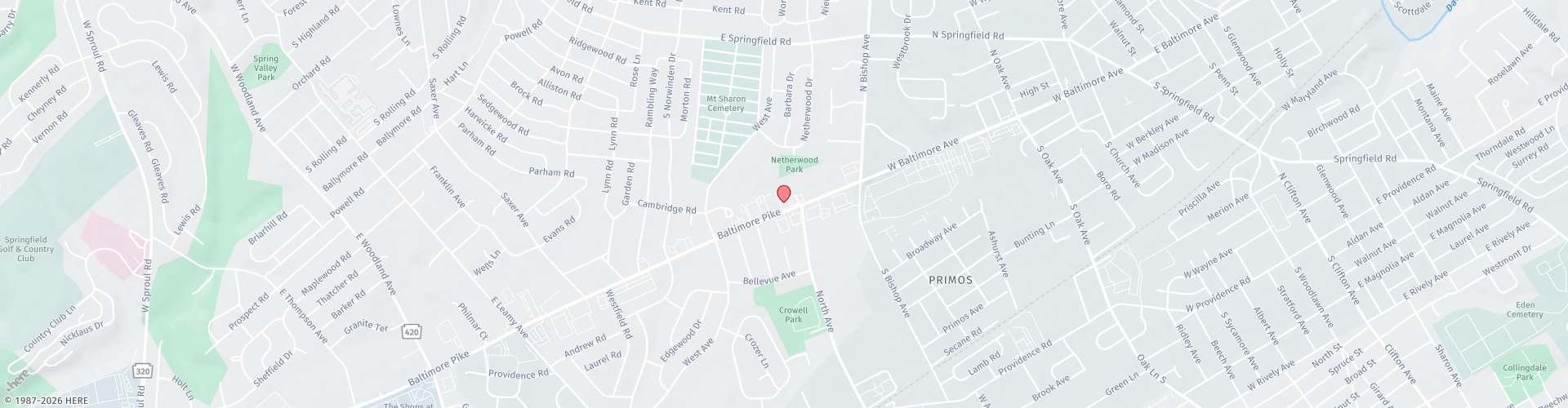
Solaria can help fade selected vascular lesions and improve persistent redness for a clearer-looking complexion. Seema’s Botox and Aesthetics provides personalized treatment plans for benign facial and body vessels in Springfield, PA. Call (610) 552-0012 to schedule a consultation and determine whether Solaria is right for your vascular concerns.