
Peptide therapy offers a personalized approach to wellness and aesthetic care by using targeted compounds that interact with specific biological processes. Depending on the formula selected, treatment may support cellular energy, metabolism, physical recovery, skin quality, or healthy aging. At Seema’s Botox and Aesthetics, available options include NAD+, MOTS-c, and GHK-Cu, with each chosen for a different purpose.
Seema Francis, RN, BSN, AAPN, leads the practice with more than a decade of nursing experience and advanced training in integrative medical aesthetics. Her background in clinical leadership, patient care, and healthcare technology helps guide a thorough screening process before treatment begins. Rather than relying on one standard wellness protocol, the team considers each client’s health history, symptoms, lifestyle, and goals when developing a plan.
What Is Peptide Therapy?
Peptides are short chains of amino acids that act as signaling molecules throughout the body. Different peptides can influence processes involving tissue repair, metabolism, inflammation, hormone activity, and cellular communication.
Peptide therapy may involve injections, topical products, or other delivery methods, depending on the selected compound. Although NAD+ is not technically a peptide, it is frequently included within peptide and cellular wellness programs because of its important role in energy production and cellular function.
Treatment plans vary in duration and frequency. The appropriate option depends on the client’s goals, medical background, medications, and response over time.
What Is NAD+ Therapy?
NAD+, or nicotinamide adenine dinucleotide, is a coenzyme present in every living cell. It participates in processes involving cellular energy production, DNA repair, and metabolism. Natural NAD+ levels may decline with age and can also be affected by stress, sleep habits, illness, and other lifestyle factors.
NAD+ therapy may appeal to clients seeking support for:
-
Energy and mental clarity
-
Physical recovery
-
Healthy aging
-
General cellular wellness
-
Feelings of fatigue or depletion
Depending on the practice protocol, NAD+ may be administered by injection or infusion. Treatment is not a substitute for evaluating persistent fatigue, cognitive changes, or other unexplained symptoms. Injectable NAD+ preparations may be compounded, making appropriate sourcing and sterile preparation especially important. The FDA advises compounders to use ingredients suitable for sterile medications.
What Is MOTS-c?
MOTS-c is a peptide produced within the mitochondria, the structures responsible for generating energy inside cells. Research suggests that MOTS-c is involved in metabolic regulation, cellular stress responses, and glucose use. Current clinical research is examining its possible effects on insulin sensitivity and cardiometabolic health.
Clients may explore MOTS-c as part of a plan focused on:
-
Metabolic wellness
-
Energy utilization
-
Exercise performance and recovery
-
Healthy body composition
-
Cellular resilience
MOTS-c research is still developing, particularly regarding therapeutic use in humans. Its inclusion in a wellness plan should therefore be based on careful screening, clear expectations, and individualized monitoring rather than promises of a specific metabolic result.
What Is GHK-Cu?
GHK-Cu is a naturally occurring copper-binding peptide associated with tissue repair and skin remodeling. It has been studied for its role in collagen production, wound healing, antioxidant activity, and the appearance of aging skin. Research has reported improvements in qualities such as firmness, elasticity, fine lines, and photodamage, although outcomes depend on the formulation and delivery method.
GHK-Cu may be selected to support:
-
Smoother-looking skin
-
Collagen and elastin activity
-
Skin firmness and elasticity
-
Recovery after selected aesthetic treatments
-
Healthier-looking hair and scalp tissue
It may be used topically or as part of another personalized treatment protocol. Because GHK-Cu does not penetrate every formulation equally well, product quality and delivery method can influence its effectiveness.
Is Peptide Therapy Right For You?
Peptide therapy may be suitable for adults interested in personalized support for energy, metabolism, recovery, or skin quality. Good candidates are willing to follow the recommended schedule and communicate any changes experienced during treatment.
Pregnancy, breastfeeding, cancer history, kidney or liver conditions, metabolic disorders, allergies, and prescription medications may influence eligibility. A complete and accurate health history helps the team determine whether a particular therapy is appropriate.
Why Choose Seema’s Botox And Aesthetics For Peptide Therapy?
Peptide and cellular wellness programs require more than selecting a popular compound. The client’s goals, health history, delivery method, product sourcing, and response all affect treatment planning. Seema Francis guides the practice using extensive experience in nursing management, infection control, clinical documentation, and direct patient care.
Her board certification through the American Academy of Procedural Medicine Aesthetics and training in integrative care support a balanced approach to NAD+, MOTS-c, and GHK-Cu. The team explains the intended role of each option and develops protocols around the client rather than a preset package. Follow-up also allows recommendations to evolve as energy, recovery, metabolic goals, or skin concerns change.
Explore Personalized Peptide Therapy In Springfield, PA
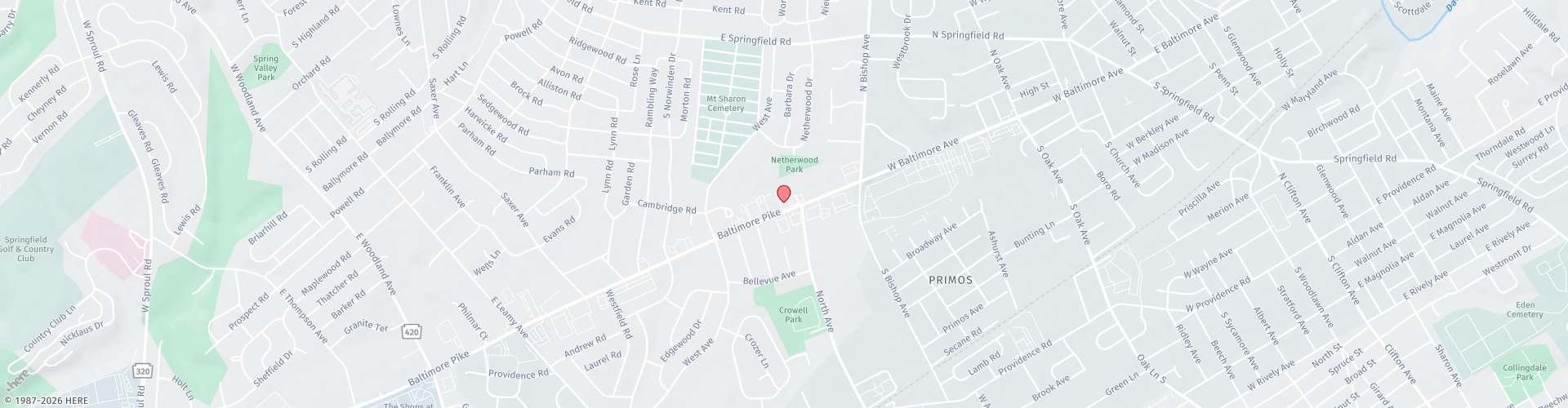
NAD+, MOTS-c, and GHK-Cu offer different approaches to supporting cellular energy, metabolic wellness, recovery, and skin rejuvenation. Seema’s Botox and Aesthetics provides individualized therapy plans in Springfield, PA, based on each client’s priorities and medical considerations. Call (610) 552-0012 to schedule a consultation and discover which option may align with your wellness goals.